

Guide to Site Selection for Custom Homes

Comprehensive Guide to Choosing the Right Site: Expert Land Acquisition and Property Evaluation for Custom Homes
Choosing the right parcel for a custom home is one of the most important decisions you’ll make — it shapes design, cost, livability and long‑term value. This guide lays out the practical steps and professional considerations discerning buyers should use when evaluating land. You’ll learn the residential land acquisition workflow, how to judge a property’s buildability, the zoning and legal checks to prioritize, plus financing and site‑preparation best practices. Read through, and you’ll have a clear checklist to move forward with confidence.
What are the essential steps in the residential land acquisition process?
Buying residential land follows a clear sequence of steps that reduce risk and keep the project on schedule. Knowing each phase helps you anticipate obstacles and make smarter decisions.
- Define your land requirements: Clarify lot size, preferred neighborhood, orientation, views and the site features your design requires.
- Survey the market: Use MLS listings, local brokers and off‑market channels to identify parcels that match your brief.
- Review financing options: Compare land loans, construction loans and cash strategies so you know what capital structure fits your timeline and goals.
How to identify and secure prime land for custom home building
Finding exceptional sites combines market knowledge with proactive outreach. Track local supply and pricing trends, work with experienced local agents who understand off‑market opportunities, and investigate nearby development plans that could affect privacy or future value. When you find a promising parcel, move quickly with due diligence so you can secure it before competition increases the price.
Which legal and zoning considerations must discerning buyers understand?
Legal and zoning rules determine what’s buildable and how you can use the property. Confirm the parcel’s zoning designation, setback and height restrictions, easements and any deed‑restrictions. Review local building codes and utility access requirements, and consult a land or real‑estate attorney to interpret complex ordinances before you commit.
How to evaluate property suitability for luxury custom homes

Assessing a parcel for a high‑end custom home means looking beyond the surface. Evaluate environmental constraints, geotechnical conditions and the surrounding neighborhood to ensure the site supports your design ambitions and investment objectives.
- Consider environmental factors: Check flood maps, slope stability, protected habitats and any potential environmental liabilities that could limit build options.
- Test soil and subsurface conditions: A geotechnical report reveals bearing capacity, groundwater depth and any remediation needs that affect foundation design and cost.
- Review neighborhood amenities: Proximity to schools, parks, dining and transportation affects lifestyle and resale value — prioritize the mix that aligns with your goals.
What role does soil testing and environmental analysis play in site selection?
Soil and environmental studies are non‑negotiable. Soil reports inform foundation type and earthwork budgets; environmental assessments identify hazards like contamination or wetlands that can halt or materially change a project. Investing in these studies early prevents expensive surprises during permitting or construction.
How do topography and neighborhood analysis influence site selection?
Topography determines build costs and design possibilities — steep slopes, drainage patterns and access all influence grading, foundation and retaining work. Neighborhood analysis — demographics, planned projects and market trends — helps predict livability and long‑term appreciation. Both are essential inputs to a thorough site evaluation.
What are the key factors in choosing land for a bespoke custom house?
Selecting land for a truly custom home means weighing practical constraints against lifestyle priorities. Focus on factors that preserve design freedom and deliver lasting value:
- Location and accessibility: Ease of commute, neighborhood character and proximity to amenities shape everyday life and appeal.
- Zoning and development rules: Confirm permitted uses, lot coverage limits and any conditional requirements that affect your design.
- Environmental and site constraints: Identify hazards, protected areas and utility access early to avoid costly redesigns.
How to assess zoning regulations and building permits in Newport Beach
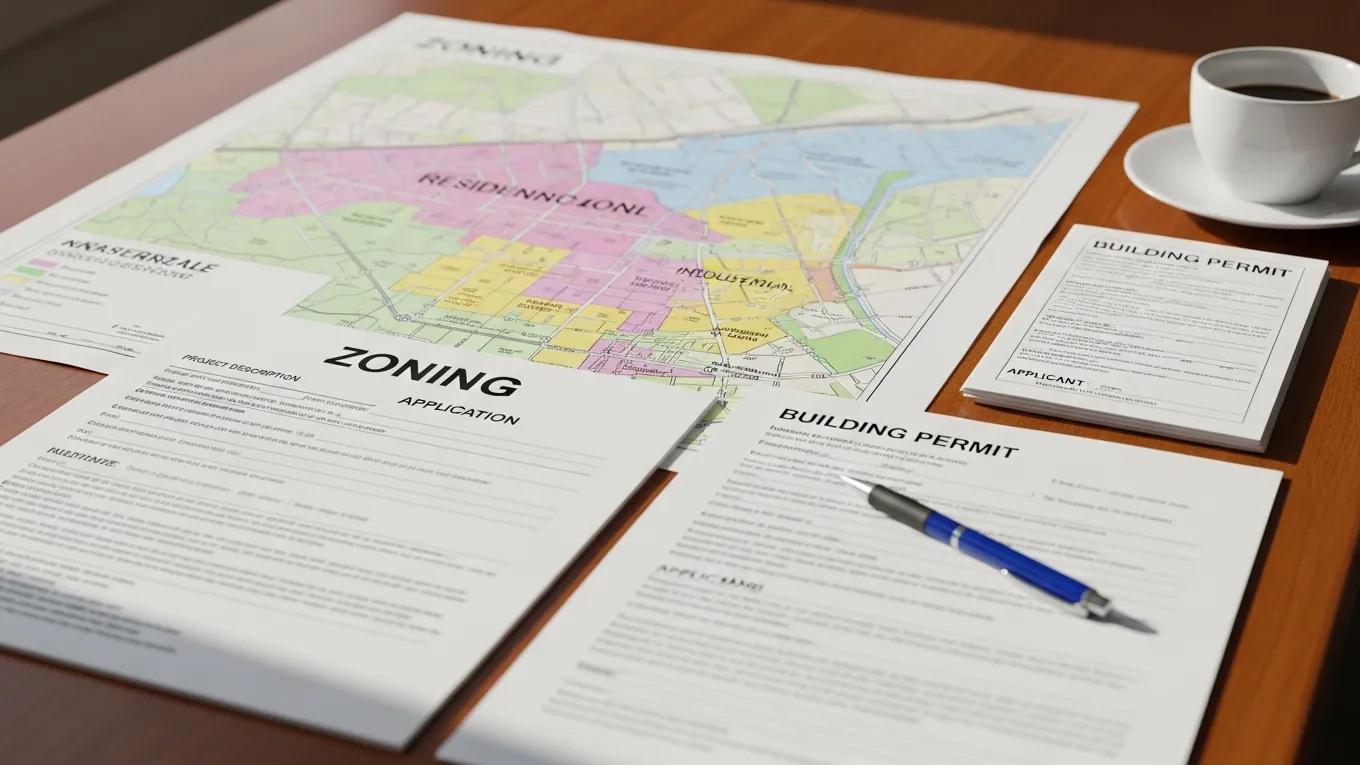
Newport Beach has specific zoning districts and coastal regulations that affect buildability. Start by contacting the city planning department to confirm zoning, coastal overlay restrictions and required approvals. Prepare clear site plans and documentation to streamline permit review, and consider early meetings with planning staff to identify potential red flags.
Which financing options optimize land purchase for discerning homebuyers?
Choosing the right financing depends on timing, tax considerations and your broader capital plan. Common approaches include:
- Traditional land mortgages: Conventional loans for unimproved parcels — often require a larger down payment and shorter terms.
- Construction loans: Interest‑bearing loans that convert to a mortgage once the home is built; they finance both land acquisition and building costs.
- Home equity financing: Using equity from an existing property can provide liquidity and favorable terms for purchasing new land.
How to prepare the selected site for construction of a luxury custom home?
Site preparation is about reducing uncertainty and aligning contractors around the plan. The following steps keep the project organized and on schedule.
- Commission site surveys: Accurate boundary, topographic and utility surveys inform design and prevent disputes.
- Confirm utilities and access: Verify water, sewer, power and road access — or budget for extensions where needed.
- Engage contractors early: Early input from builders and civil engineers helps identify grading, drainage and staging needs and produces realistic cost estimates.
What are the best practices in site preparation and construction planning?
Best practice blends thorough analysis with coordinated execution: complete geotechnical and topo surveys, finalize design parameters before major earthwork, and secure permits early. Maintaining clear lines of communication among owner, architect, engineer and contractor reduces delays and keeps costs predictable.
How do local environmental and regulatory factors affect site readiness?
Local regulations and environmental conditions shape timelines, approvals and allowable work. Coastal setbacks, protected species, stormwater rules and inspection schedules can all extend preconstruction phases. Anticipate these requirements, budget for mitigation when necessary, and coordinate closely with permitting agencies to keep the project moving.