

The Integrated Design-Build Process for Custom Homes

Integrated Design-Build for Custom Homes: Streamlining Luxury Construction & Remodeling
The integrated design-build approach combines architectural design and construction management into a single, coordinated process. For high-end residential projects, this method shortens schedules, tightens communication and raises quality control. Homeowners frequently face miscommunication, budget creep and extended timelines — issues that erode confidence and add stress. By providing one point of accountability, design-build aligns every phase from concept through completion. Below we outline the primary advantages, common challenges, recommended practices and the key phases that make this model more efficient and reliable for luxury custom homes.
Core Advantages
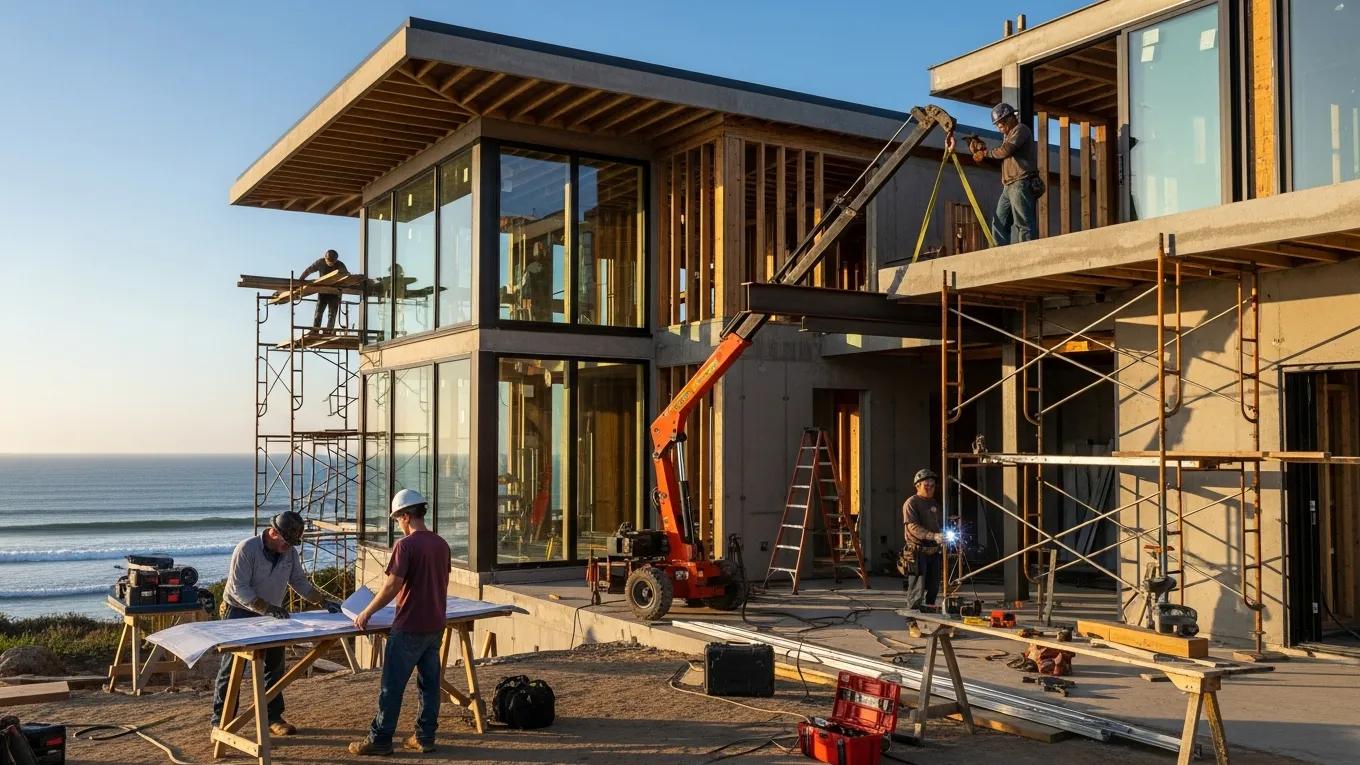
Design-build delivers distinct, measurable advantages that improve the homeowner experience and project outcomes.
- Streamlined Communication: With design and construction managed by a single team, decision paths are shorter, questions get answered faster and misunderstandings are minimized.
- Time Efficiency: Overlapping design and construction phases accelerates delivery and shortens the overall schedule.
- Cost Control: A single contract and point of responsibility simplify budget tracking and reduce the risk of unexpected expenses.
- Customization: The integrated team can adapt plans in real time to reflect owner preferences and on-site discoveries.
Custom Homes Newport Beach specializes in bespoke home construction and high-end remodeling for discerning clients in Newport Beach. We center our work on the integrated design-build model to reduce timelines, improve communication and uphold the highest standards of quality throughout every project.
Challenges
The integrated design-build approach offers many benefits, but it also requires careful management to avoid common pitfalls.
- Coordination Complexity: Running design and construction together demands strong coordination; teams must be intentional about roles and workflows.
- Design Changes: Mid-stream design revisions can introduce schedule impacts and cost implications if not controlled through clear change processes.
- Dependence on Team Dynamics: Success depends on the team’s collaboration skills and shared commitment to the project goals.
Best Practices
Follow these practices to maximize the advantages of an integrated design-build delivery.
- Thorough Initial Consultation: A detailed kickoff clarifies vision, priorities, budget and timeline so the project starts on firm footing.
- Regular Updates: Scheduled check-ins and transparent reporting build trust and allow timely course corrections.
- Utilize Technology: Project management platforms, shared models and digital collaboration tools keep teams aligned and documentation current.
- Quality Control: Define quality benchmarks and hold routine inspections to ensure standards are met at every stage.
Essential Phases of the Workflow
The integrated design-build workflow follows clear phases that guide a project from concept to move-in.
- Initial Consultation: Establish the client’s vision, priorities, budget and schedule.
- Design Development: Create and refine plans that reflect aesthetic goals and practical requirements.
- Permitting: Secure approvals and ensure compliance with local codes and regulations.
- Construction: Execute the build with ongoing collaboration between designers and builders.
- Final Inspections: Verify that the finished home meets agreed standards and is ready for occupancy.
This table outlines the core phases of the integrated design-build workflow, showing the primary tasks and expected outcomes at each step.
How Does Integrated Construction Enhance Project Efficiency and Quality?
Integrated construction enhances efficiency by creating continuous collaboration between architects and builders. That collaboration enables real-time problem solving and quick design adjustments, which reduces delay and rework. Because communication lines are clear and centralized, teams remain aligned on scope and standards, resulting in a higher-quality finished home and a smoother experience for the client.
In What Ways Does Design-Build Offer Cost Transparency and Time Savings?
Design-build consolidates project costs into a single contract, giving homeowners a clearer view of where funds are allocated and simplifying budget oversight. Time savings come from overlapping phases—design and construction run in parallel when feasible—so projects often finish significantly faster than with traditional delivery methods. Together, these efficiencies deliver both predictable costs and a shorter timeline.
What Are the Essential Phases of the Custom Home Design-Build Workflow?
The custom home design-build process follows a deliberate sequence to ensure quality and client satisfaction from start to finish.
- Initial Consultation: Define goals, budget and timeline.
- Design Phase: Develop architectural and interior plans that capture the client’s vision.
- Permitting and Site Preparation: Secure permits and ready the site for construction.
- Construction Phase: Build according to approved plans with continuous coordination.
- Quality Assurance: Conduct inspections to confirm standards and finishes.
- Final Walkthrough: Review the completed home with the owner to ensure satisfaction.
This table summarizes the critical phases of the custom home design-build workflow, outlining the tasks and the expected results at each stage.
How Are Architectural Design and Construction Management Seamlessly Coordinated?
Coordination happens through structured collaboration: shared schedules, regular design-construction meetings and a single project team responsible for both design intent and build execution. Using joint review sessions and shared digital models, designers and builders resolve conflicts early, keep specifications aligned with site realities and make informed adjustments that protect schedule and budget.
What Steps Constitute Planning, Permitting, and Execution in Luxury Home Projects?
Planning, permitting and execution in luxury projects follow a disciplined sequence to protect quality, schedule and value.
- Planning: Set the scope, establish a realistic budget and create a high-level timeline.
- Permitting: Prepare documents, submit applications and secure approvals to meet local codes.
- Execution: Mobilize the team, manage trades, and deliver the build while monitoring quality and schedule.
These steps are essential to delivering luxury homes on time, on budget and to the standards expected by discerning owners.
How Does Integrated Design-Build Elevate Home Remodeling and Project Management?
Integrated design-build elevates remodeling by assigning clear responsibility for the entire project, which minimizes interruptions and keeps the homeowner’s priorities front and center. With designers and builders working together from the start, change decisions are faster, coordination with existing structures is smoother and the final result more faithfully reflects the owner’s intent.
What Are the Unique Benefits of Design-Build in High-End Remodeling?
Design-build brings particular value to high-end remodels, including:
- Customization: Tailored solutions that honor the homeowner’s style and functional needs.
- Quality Assurance: Continuous oversight ensures premium finishes and workmanship.
- Sustainability Integration: Easier incorporation of green materials and systems into the design.
These advantages make design-build especially well suited to sophisticated renovation projects.
How Is Personalized Project Management Delivered for Discerning Clients?
Personalized management is provided through a dedicated project manager who serves as the client’s primary contact and advocates the owner’s priorities throughout design and construction. Regular updates, milestone reviews and proactive problem-solving keep clients informed and confident that their project is being handled with care and professionalism.
What Criteria Should Guide the Selection of a Premier Design-Build Firm in Newport Beach?
When choosing a top-tier design-build firm in Newport Beach, consider these criteria:
- Qualifications: Confirm licenses, insurance and professional certifications.
- Experience: Look for a proven track record on luxury custom homes.
- Customization Options: Ensure the firm can tailor solutions to your unique needs.
- Quality of Materials: Ask about material sourcing and long-term durability.
- Sustainability Practices: Prefer firms that incorporate energy-efficient and sustainable methods.
These factors help ensure you select a partner who matches your standards and expectations.
Which Attributes Define Excellence in Custom Home Builders and Architects?
Excellence is marked by a combination of design sensibility, executional rigor and client-focused service:
- Customization Options: Ability to translate unique client desires into thoughtful design solutions.
- Quality of Materials: Commitment to premium materials and workmanship.
- Sustainability Practices: Integration of efficient systems and responsible sourcing.
- Experience and Expertise: Deep knowledge of custom construction challenges and solutions.
- Client Testimonials: Consistent positive feedback that reflects reliability and satisfaction.
These attributes distinguish firms that reliably deliver outstanding custom homes.
How Does Local Expertise Influence Luxury Home Construction Outcomes?
Local knowledge matters. Firms familiar with Newport Beach understand local codes, zoning nuances and permit processes, and they maintain relationships with reputable suppliers and subcontractors. That local network often means better pricing, faster problem resolution and materials choices that suit the climate and community—resulting in a smoother build and a finished home that stands up to both aesthetic and practical expectations.