
Orange County ADU Regulations & Construction Guide
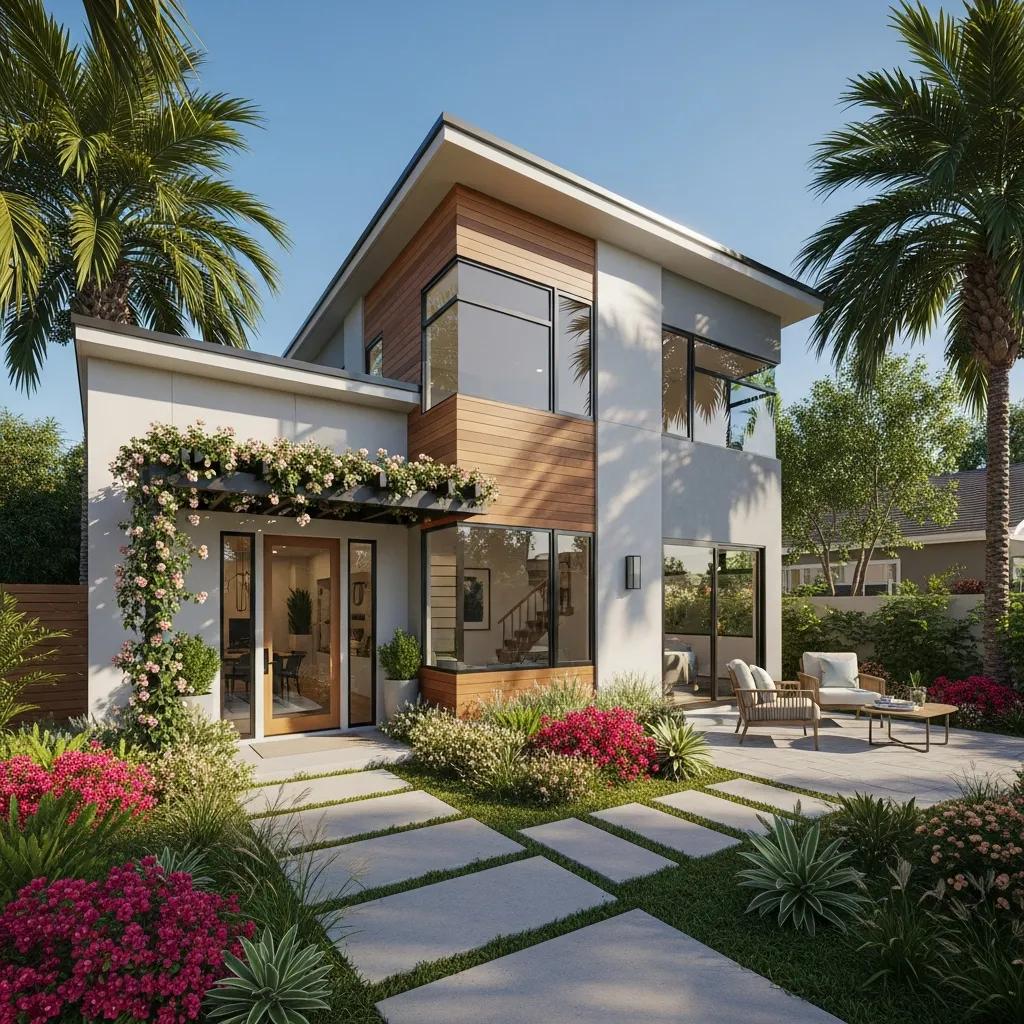
Orange County ADU Regulations & Construction Guide: Comprehensive Permit and Compliance Insights
Accessory dwelling units (ADUs) have become increasingly popular in Orange County as homeowners seek to maximize their property’s potential. These units, often referred to as granny flats or secondary units, provide additional living space and can serve various purposes, from guest accommodations to rental income sources. Understanding the regulations surrounding ADUs is crucial for homeowners looking to navigate the complexities of permits, zoning laws, and construction requirements. This guide will delve into the essential permit requirements, size limits, building codes, and design considerations for luxury ADUs in Newport Beach. Additionally, we will explore financing options and cost considerations to help you make informed decisions about your ADU project.
What Are the Essential Orange County ADU Permit Requirements?
To construct an ADU in Orange County, homeowners must adhere to specific permit requirements that ensure compliance with local regulations. The essential permits typically include a building permit, zoning clearance, and possibly a conditional use permit, depending on the project’s scope. Understanding these requirements is vital to avoid delays and ensure a smooth construction process.
How to Navigate the ADU Permit Process in Orange County

Navigating the ADU permit process can be daunting, but following a structured approach can simplify it. Here are the key steps:
- Gather Documentation: Collect all necessary documents, including property deeds, site plans, and architectural drawings.
- Submit Application: File your application with the local planning department, ensuring all required information is included.
- Await Approval: The review process can take several weeks, so be prepared for potential delays.
- Address Feedback: If the planning department requests modifications, respond promptly to keep the process moving.
By following these steps, homeowners can streamline their permit application and reduce the likelihood of complications.
Which Local Zoning Laws Impact ADU Approval?
Local zoning laws play a significant role in determining whether an ADU can be constructed on a property. Key zoning regulations include:
- Setback Requirements: ADUs must adhere to specific distance requirements from property lines.
- Height Restrictions: There are limits on how tall an ADU can be, which can affect design choices.
- Parking Requirements: Some areas may require additional parking spaces for ADUs, impacting site layout.
Understanding these zoning laws is essential for homeowners to ensure their ADU plans align with local regulations.
What Are the Orange County ADU Size Limits and Building Codes?
Size limits and building codes are critical factors in the design and construction of ADUs. In Orange County, the maximum size for an ADU is typically 1,200 square feet, but this can vary based on local ordinances and the primary dwelling’s size.
How Do Size Restrictions Affect Granny Flat Construction?
Size restrictions can significantly impact the design and functionality of granny flats. Homeowners must consider:
- Design Implications: Smaller units may require more efficient layouts to maximize usable space.
- Case Studies: Reviewing successful projects can provide insights into effective design strategies within size limits.
By understanding these restrictions, homeowners can create functional and appealing ADUs that meet regulatory requirements.
What Are the Key Building Code Standards for ADUs in Orange County?
Building codes ensure that ADUs are safe and habitable. Key standards include:
- Structural Integrity: ADUs must meet specific structural requirements to withstand local environmental conditions.
- Safety Standards: Compliance with fire safety and electrical codes is mandatory.
- Inspection Processes: Regular inspections during construction help ensure adherence to building codes.
Familiarizing oneself with these standards is crucial for a successful ADU project.
How to Design and Construct Luxury Accessory Dwelling Units in Newport Beach?
Designing luxury ADUs in Newport Beach involves a blend of aesthetics and functionality. Homeowners should focus on high-end materials and craftsmanship to create a bespoke living space that complements their primary residence.
What Premium Materials and Craftsmanship Define Luxury ADUs?
Luxury ADUs often feature premium materials such as:
- High-Quality Finishes: Custom cabinetry, granite countertops, and hardwood flooring enhance the unit’s appeal.
- Sustainable Practices: Incorporating eco-friendly materials and energy-efficient systems can elevate the design while reducing environmental impact.
These elements contribute to a luxurious living experience that meets the expectations of affluent clients.
How to Ensure Compliance While Achieving Bespoke ADU Designs?
Balancing compliance with unique design elements is essential for luxury ADUs. Homeowners should:
- Understand Local Regulations: Familiarize themselves with zoning and building codes to avoid design conflicts.
- Consult with Experts: Engaging architects and builders experienced in luxury ADU construction can help navigate compliance issues while achieving bespoke designs.
This approach ensures that the final product is both compliant and tailored to the homeowner’s vision.
What Are the Financing Options and Cost Considerations for ADU Projects?

Financing an ADU project requires careful planning and consideration of various options. Homeowners should explore different financing solutions to find the best fit for their needs.
How to Estimate Costs for Custom ADU Construction in Orange County
Estimating costs for custom ADU construction involves several factors:
- Cost per Square Foot: On average, construction costs can range from $300 to $600 per square foot, depending on materials and design complexity.
- Location Factors: Costs may vary based on the specific location within Orange County and local labor rates.
- Contingency Budgeting: Setting aside 10-20% of the total budget for unexpected expenses is advisable.
By understanding these cost factors, homeowners can create a realistic budget for their ADU project.
What Financing Solutions Support Luxury ADU Developments?
Several financing options are available for luxury ADU developments, including:
- Home Equity Loans: Utilizing existing home equity can provide funds for construction.
- Construction Loans: These short-term loans cover the costs of building before transitioning to a mortgage.
- Personal Loans: Unsecured personal loans can also be an option for financing smaller projects.
This table summarizes various financing options, highlighting their benefits and drawbacks to assist homeowners in making informed decisions.